



Professional ESAB welding machines, plasma cutters, welding helmets, consumables and accessories.
View ESAB products
INDUSTAR.LV – Everything for welding in one place
Customer favourites and special offers
INDUSTAR — the choice of professionals
View all brands
Professional welding brands
Welding machines, plasma cutters, welding helmets, laser welding solutions and induction heaters for professional use.
Professional Kemppi welding machines, torches, welding helmets, spare parts and accessories.
View Kemppi productsProfessional EWM welding systems for industry, manufacturing and automated welding processes.
View EWM productsWelding machines, plasma cutters, welding helmets, laser equipment and automated welding solutions.
MMA
MIG/MAG
TIG
Plasma cutters
Welding helmets
Laser welding and laser cleaning equipment
Welding robots
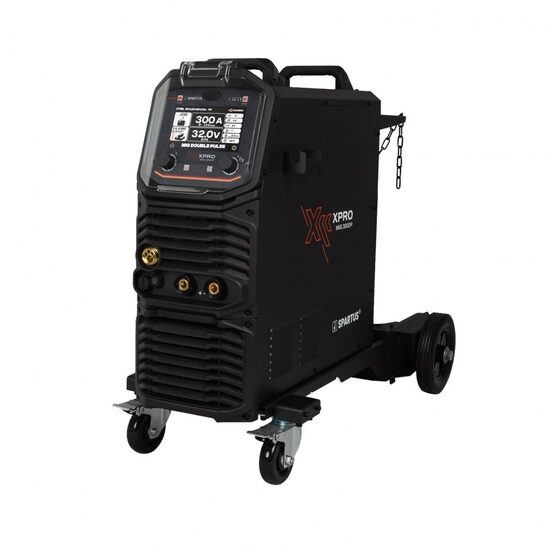
View Spartus products
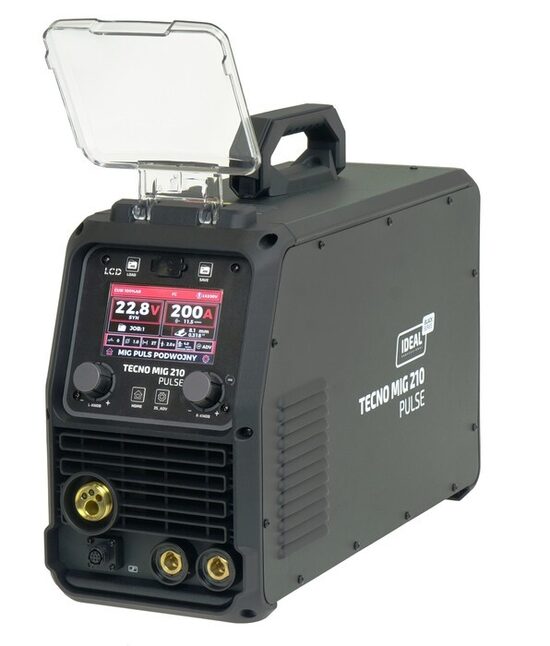
Welding machines, plasma cutters, welding helmets, resistance welding and automotive body repair equipment.
View IDEAL productsProfessional induction heaters for automotive workshops, manufacturing, repairs and controlled heating of metal parts.
View Dawell CZ productsProfessional welding equipment from leading manufacturers: MMA, MIG/MAG and TIG welding machines, plasma cutters, welding helmets, laser welding and laser cleaning equipment, welding robots, induction heaters and accessories.
Hand tools
Professional tools
Hand tools


INDUSTAR.LV – Everything for welding in one place
MOST POPULAR PRODUCTS IN THIS CATEGORY


Power tools
For professional use
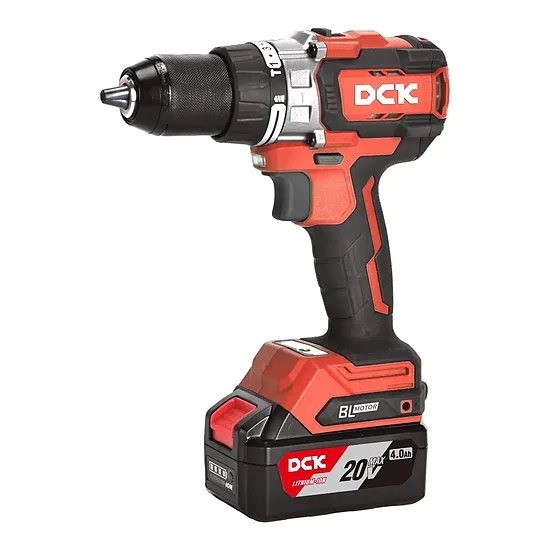
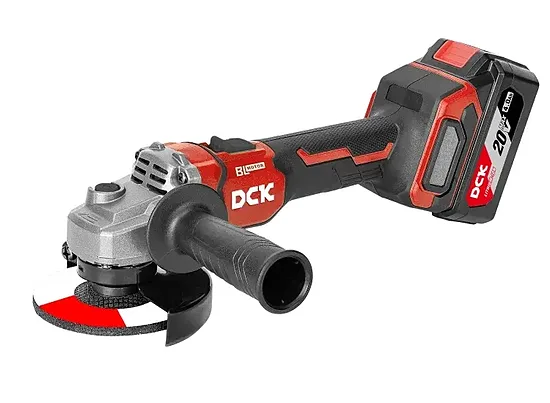
Power tools


INDUSTAR.LV – Everything for welding in one place
MOST POPULAR PRODUCTS IN THIS CATEGORY
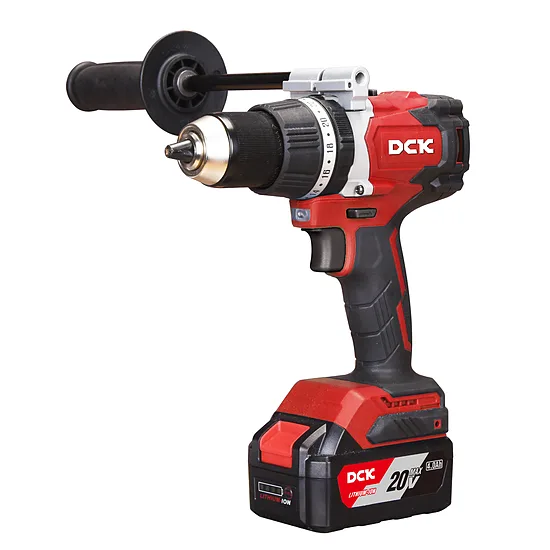


Welding machines and equipment
Professional welding
Welding machines and equipment


INDUSTAR.LV – Everything for welding in one place
MOST POPULAR PRODUCTS IN THIS CATEGORY


Discount
SPARTUS® Easy 313CL Pulse mini laser cleaning machine


DAWELL CZ DHI-191C HD induction heater
€10,900.00

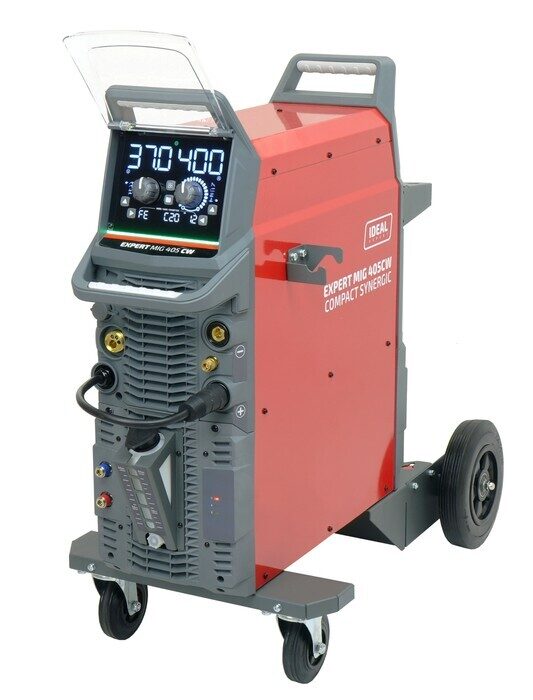

INDUSTAR online tools for welders
Practical welding guide
A practical guide to TIG and MIG/MAG welding: choose a tungsten electrode by colour and base metal, estimate shielding gas and welding wire consumption, and set a suitable argon or Ar/CO₂ flow rate in l/min.
Which tungsten electrode should you choose for TIG welding?
Tungsten electrode colour codes — choosing electrodes for steel, stainless steel and aluminium
Which tungsten electrode should you choose for TIG welding?
Tungsten electrode colour codes — choosing electrodes for steel, stainless steel and aluminium
Choose your tungsten electrode according to its colour code, the base metal and the TIG current type — AC or DC. This table compares green, grey, purple, gold and blue electrodes for TIG welding steel, stainless steel, aluminium and other metals.
| Code and colour | Composition | Current | Suitable metals | Practical use |
|---|---|---|---|---|
| WP — green | Pure tungsten | AC | Aluminium, magnesium | Mainly for older transformer TIG machines; doped tungsten is generally preferred for modern inverters. |
| WC20 — grey | 2% cerium oxide | AC / DC | Steel, stainless steel, titanium, aluminium | Especially suitable for low to medium currents, thin materials and frequent arc starts. |
| E3 — purple | Mixed rare-earth oxides | AC / DC | Steel, stainless steel, aluminium, copper, titanium | A versatile electrode with reliable arc starts, long service life and good performance across a wide current range. |
| WL15 — gold | 1.5% lanthanum oxide | AC / DC | Steel, stainless steel, aluminium, titanium | A versatile choice with good arc starting and stability across a wide current range. |
| WL20 — blue | 2% lanthanum oxide | AC / DC | Steel, stainless steel, aluminium, nickel, titanium | A versatile electrode for modern inverter machines, offering a precise arc and good current-carrying capacity. |
Polarity: steel, stainless steel, copper, nickel and titanium are generally welded using DCEN (DC−); aluminium and magnesium use AC. Always follow the TIG machine and electrode manufacturer’s instructions.
How much wire can you weld with the gas in your cylinder?
Shielding gas duration and estimated MIG/MAG wire quantity
How much wire can you weld with the gas in your cylinder?
Shielding gas duration and estimated MIG/MAG wire quantity
Enter the cylinder capacity and current pressure, the gas flow rate and your welding wire parameters. The calculation estimates how long the cylinder will supply gas at this flow rate and how many kilograms of wire could theoretically be fed during that time.
Cylinder and wire parameters
Estimated wire quantity
—
Gas in the cylinder—
Usable gas for the calculation—
Active gas flow duration—
Wire consumption—
Indicative calculation. The result is not a production guarantee. Actual consumption depends on regulator accuracy, cylinder temperature, leaks, pre-flow and post-flow, gas delivery during pauses, the proportion of arc-on time, wire slippage and process settings. The amount of wire actually welded will usually be lower than the theoretical result.
What shielding gas flow rate should you set for TIG and MIG/MAG welding?
Suggested argon and Ar/CO₂ flow rates in l/min by process and material
What shielding gas flow rate should you set for TIG and MIG/MAG welding?
Suggested argon and Ar/CO₂ flow rates in l/min by process and material
The table gives practical starting ranges for indoor work without significant draughts. Adjust the flow for nozzle size, torch distance, current, joint geometry and ambient conditions.
| Welding process | Material | Typical shielding gas | Starting flow rate | Note |
|---|---|---|---|---|
| TIG | Carbon steel | Argon | 6–10 l/min | A gas lens often allows a lower flow rate. |
| TIG | Stainless steel / titanium | Argon | 7–12 l/min | Clean gas shielding is essential; pipes may require root purging. |
| TIG AC | Aluminium / magnesium | Argon | 8–14 l/min | A larger nozzle and higher current may require more gas flow. |
| TIG | Copper and its alloys | Argon or Ar/He | 10–16 l/min | For helium mixtures, correct the reading according to the flowmeter specifications. |
| MIG/MAG | Carbon / low-alloy steel | Ar/CO₂ or CO₂ | 10–14 l/min | A practical starting estimate: wire diameter in mm × 10. |
| MIG/MAG | Stainless steel | Ar/CO₂ | 12–16 l/min | Use the mixture recommended by the wire and gas manufacturers. |
| MIG | Aluminium | Argon | 14–19 l/min | A greater torch distance or draughts increase the required flow rate. |
| MIG brazing | CuSi3 / galvanised steel | Argon or a suitable mixture | 10–14 l/min | Set the parameters according to the wire’s technical data sheet. |
Important: excessive gas flow does not improve protection — it can cause turbulence and draw ambient air into the weld zone. In draughty conditions, use a screen first, then increase the flow moderately if needed.
Wearable tool materials
For cutting, drilling and grinding
Tool consumables


INDUSTAR.LV – Everything for welding in one place
MOST POPULAR PRODUCTS IN THIS CATEGORY


Discount
3M T27 Cubitron 3 Ø 150 mm x 7,0 mm x 22,23 mm


Workshop machinery and workbenches
Professional workshop equipment
Workshop machinery and workbenches


INDUSTAR.LV – Everything for welding in one place
MOST POPULAR PRODUCTS IN THIS CATEGORY


Work safety
For safety and comfort at work
Work safety


INDUSTAR.LV – Everything for welding in one place
MOST POPULAR PRODUCTS IN THIS CATEGORY


Austiņas 3M Peltor X4A
€45.00


Rhinoweld Welding Gloves
€6.25

Discount
Welding jacket KSB


Compressors AND equipment
Compressed air equipment and tools
Compressors and equipment


INDUSTAR.LV – Everything for welding in one place
MOST POPULAR PRODUCTS IN THIS CATEGORY
-59d147d2.jpg?8421858)


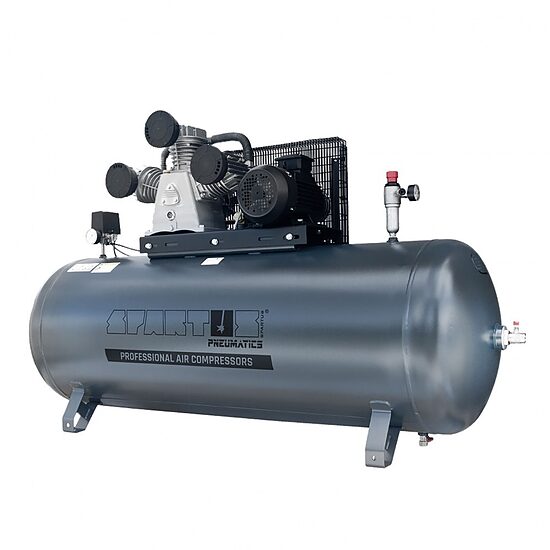
home and garden
Tools and equipment for everyday tasks
Home and garden

INDUSTAR.LV – Everything for welding in one place
MOST POPULAR PRODUCTS IN THIS CATEGORY
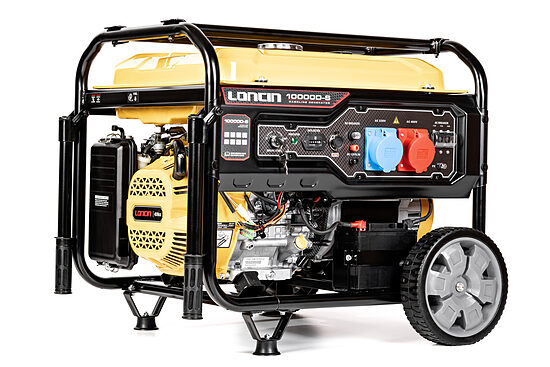
New
Loncin LC10000D-S Power Generator
€1,340.00
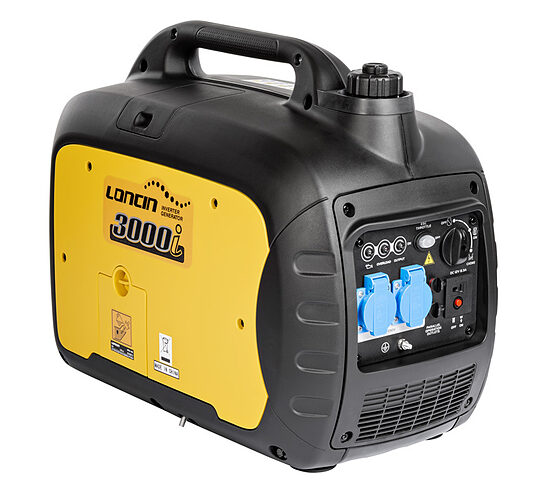
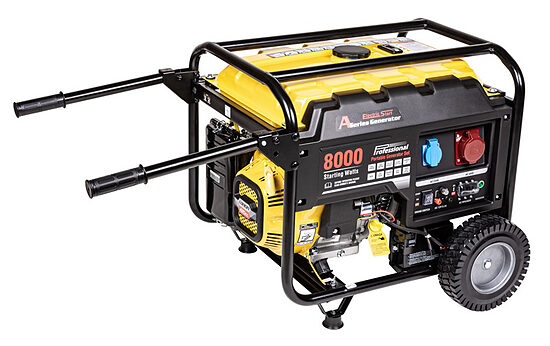
New
Loncin LC8000D-AS Generator
€1,250.00
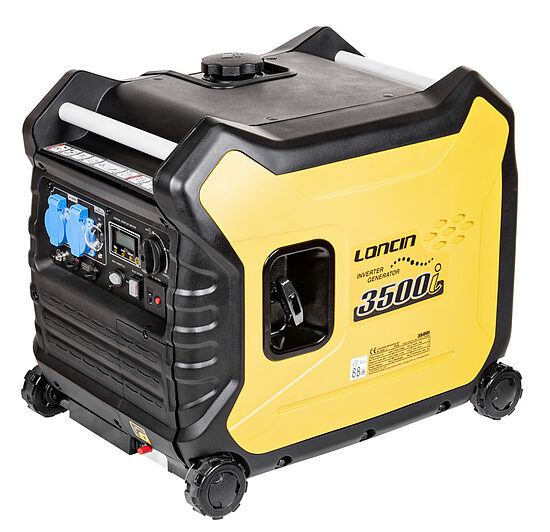
New
Loncin LC3500I Inverter Generator
€1,150.00
Why choose INDUSTAR
Your professional partner
Professional quality
Proven tools, welding machines and equipment from trusted manufacturers.
A trusted supplier
We serve individuals and businesses with reliable, professional customer service.
Efficient service
Easy ordering, prompt enquiry handling and secure online shopping.
Manufacturer’s warranty
Quality products backed by a manufacturer’s warranty and professional after-sales support.